

Key Takeaways
- The right vehicle begins with your normal routine, not a trend, badge, or one exciting feature.
- Vehicle size, passenger needs, cargo demands, parking space, and winter conditions should all shape the decision.
- Gas, hybrid, plug-in hybrid, and electric models work best for different driving and charging habits.
- All-wheel drive can help with traction, but quality tires and careful driving matter just as much on winter roads.
- A full ownership budget should include insurance, energy costs, maintenance, tires, registration, and repairs.
Choosing a vehicle in 2026 can feel complicated because buyers have more body styles, powertrains, and technology packages than ever. The best choice is usually the one that makes ordinary days easier, whether that means fitting into a tight parking space, carrying kids and equipment, or staying confident during snowy commutes. Drivers comparing their options can Learn More about available vehicles while keeping their own daily needs at the center of the search. Before looking at colors, trim levels, or large touchscreen displays, think about how the vehicle will actually be used. A solo driver with a short city commute may need something very different from a household that regularly transports passengers, pets, groceries, sports gear, or camping supplies. Winter weather deserves equal attention, especially for drivers who face icy hills, freezing temperatures, or long stretches of rural road.
Why Daily Use Should Guide the Decision
Start by writing down average daily mileage, the number of regular passengers, the roads you use most often, parking limitations, and the trips you take on weekends. Also consider whether the vehicle will fit in your garage and whether you need roof rails, towing capability, or a low loading height for bulky items. Buying more vehicles than you need can mean higher fuel use, larger tires, tougher parking, and a higher purchase price. For example, a commuter who drives alone most days may prioritize fuel economy, maneuverability, and a comfortable driver’s seat. A family that hauls hockey bags, strollers, or luggage may place more value on rear-seat room and a flexible cargo area. There is no universally best vehicle, only one that best matches the way you travel.
Choose the Right Vehicle Shape
Sedans for Efficient Commuting
Sedans remain a practical choice for drivers who want easy parking, responsive handling, and comfortable highway manners. Their lower weight can support efficiency, and the lower ride height can make entering a garage or loading smaller items simple. The trade-off is usually less cargo flexibility, particularly when transporting tall boxes, large pets, or outdoor gear.
Small SUVs for Balanced Everyday Use
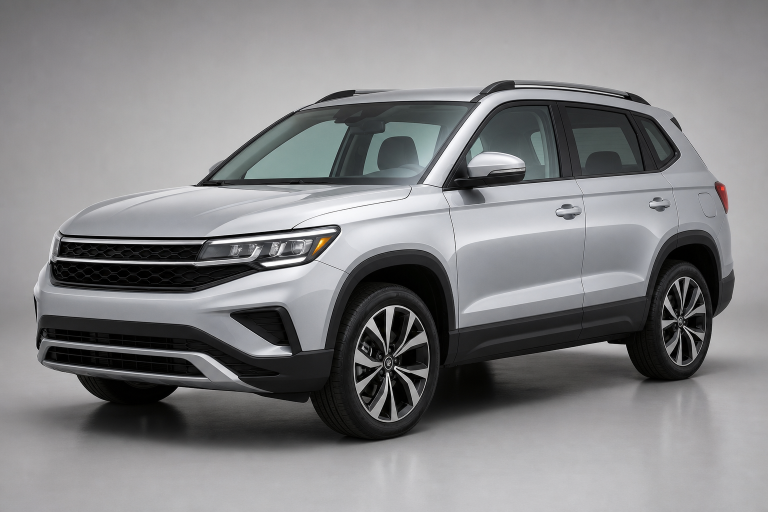
Compact SUVs appeal to buyers who want a higher seating position, easier access to the cargo area, and more versatile storage without moving up to a larger vehicle. They can work well for drivers who split time between city streets and weekend outings. Compare the actual cargo measurements with the seats up and folded down, because two similarly sized SUVs can offer very different usable space.
Large SUVs for Space and Long Trips
Large SUVs make sense when you consistently need three rows, generous luggage room, or capacity for bulky equipment. They can provide excellent comfort on long trips, but the trade-offs are meaningful: higher fuel or electricity use, larger parking needs, and more expensive tires and repairs. Choose this class because you regularly use the space, not simply because it feels impressive on a showroom floor.
Compare Gas, Hybrid, Plug-In Hybrid, and Electric Powertrains
Gas-Powered Vehicles
Gas-powered models offer familiar refueling and broad flexibility for long road trips. They can be a sensible fit for drivers who travel through areas with limited access to charging or whose schedules make charging inconvenient. However, fuel spending can rise quickly with a larger vehicle, frequent highway travel, or aggressive acceleration.
Hybrid Vehicles
Hybrids combine a gasoline engine with electric assistance and do not require plugging in. They can be especially useful for drivers who spend time in stop-and-go traffic, where regenerative braking and electric assistance can improve efficiency. A hybrid is often a strong middle ground for buyers who want lower fuel use without changing their refueling routine.
Plug-In Hybrids
Plug-in hybrids can cover many shorter trips on electricity while retaining a gas engine for longer drives. Their value depends on consistent charging. If you have dependable home or workplace charging and a commute that fits the vehicle’s electric range, a plug-in hybrid may suit your routine. If it rarely gets plugged in, its added weight and complexity may not deliver the expected benefit.
Electric Vehicles
Electric vehicles offer quiet operation, home charging convenience, and no gasoline use for daily driving. Before buying, confirm that you can charge where you live and plan how longer trips will work. Cold temperatures can reduce available range and slow charging, so drivers should review the Department of Energy’s tips for winterizing an electric vehicle before relying on an EV for severe-weather travel.
Winter Features That Deserve a Closer Look
All-wheel drive can improve traction when pulling away on snow or wet pavement, but it does not shorten stopping distances or replace attentive driving. Winter tires, healthy tread depth, correct tire pressure, effective defrosters, heated mirrors, reliable wipers, and washer fluid rated for freezing temperatures can make a major difference. Cold weather also affects conventional batteries and can reduce electric or hybrid driving range. Build a winter emergency kit with a scraper, shovel, warm blankets, a phone charger, a flashlight, water, and basic first-aid supplies. The winter weather driving guidance from the National Highway Traffic Safety Administration also emphasizes checking lights, wipers, tires, and battery condition before difficult weather arrives.
How to Compare Safety Equipment
- Review crash-test ratings from trusted safety organizations.
- Look for automatic emergency braking and forward collision warning.
- Consider blind-spot alerts and rear cross-traffic warning for crowded parking areas.
- Evaluate adaptive cruise control if you drive long highway distances.
- Test visibility, mirrors, seating position, and control placement in person.
Make a Realistic Ownership Budget
Do not judge affordability by the monthly payment alone. Compare the total purchase price, loan interest, insurance premium, fuel or charging cost, routine maintenance, registration, taxes, tire replacement, and likely repair expenses. A less expensive used vehicle may cost more over time if it needs tires, brakes, suspension work, or frequent repairs shortly after purchase. Compare new, used, and certified pre-owned vehicles against the same complete budget. A certified pre-owned option may cost more upfront but include warranty coverage that makes the ownership period easier to predict.
Questions to Ask Before Buying a Pre-Owned Vehicle
- Is a vehicle history report and maintenance documentation available?
- Has the vehicle experienced a collision, flood damage, or major repair?
- How old are the tires and battery?
- Are there any open safety recalls?
- Can an independent mechanic inspect it before purchase?
- Does the remaining warranty fit your expected ownership period?
A Simple Test-Drive Checklist
Drive on city streets and faster roads when possible. Test acceleration, braking, steering, visibility, and comfort over bumps. Sit in the rear seats, open the cargo area, adjust the mirrors and climate controls, and listen for unusual noises during turns. Bring the people and gear that will use the vehicle most often, because a quick solo test drive may not reveal whether it truly fits daily life.
Final Decision Steps
Write down your five most important needs, establish a full ownership budget, narrow the search to two or three vehicle types, and choose a powertrain that fits your routine. Then review winter readiness, safety equipment, fuel or charging needs, and expected maintenance costs before making a final decision. Test-drive the finalists in conditions that reflect your normal driving, and carefully inspect the history, condition, warranty, and service needs of any used model. A practical choice may be less exciting in the moment. Still, it is far more likely to remain reliable, comfortable, affordable, and satisfying through daily errands, long trips, changing seasons, and difficult winter roads.